Parents, educators, and carers invest their days juggling risk. An autumn from a climbing framework, a nut hidden in a biscuit, a young child that stops breathing during a fever. The majority of events are small, but when they are not, the very first couple of minutes form whatever that follows.
That is where an express child care first aid course gains its location. It gives you concentrated, practical skills in a brief, concentrated block of time, so you can act fast and act well.
I have educated thousands of very early years staff, sporting activities instructors, and moms and dads in first aid and CPR. Lots of get here feeling time poor, nervous concerning emergencies, and worried they will certainly forget technical details. They leave stunned by how much they can do with a couple of key habits and a basic psychological checklist.
This overview discusses just how express child care first aid training functions, what it should cover, exactly how to choose a fast first aid course that is still reputable, and how to keep your abilities sharp once you have your first aid certificate.
Why rate issues so much with children
Children's bodies make up impressively for a while, then can degrade extremely quickly. That pattern is various from grownups, and it forms exactly how we design first aid and CPR training for childcare.
In technique, this implies three things.
First, breathing troubles are common and high risk. Choking on food, bronchial asthma strikes, croup, or severe allergic reactions usually escalate much faster than in grownups. You might have just a min or more to remove an airway or start CPR prior to the circumstance ends up being critical.
Second, injuries and health problems can look mild at first. A head bump in the play area, a drowsy toddler with a high temperature, or a "tiny" burn from hot tea can deteriorate over the following minutes or hours. Childcare first aid is as much concerning identifying the very early risk indications as it is about doing breast compressions.
Third, grownups around the child are commonly psychologically involved. Parents, grandparents, or associates may panic or freeze. Somebody requires to enter that emotional storm with calmness, clear activity. A good express first aid course for child care does not just instruct strategies. It trains you to manage those very first disorderly moments.
When people look for a "fast first aid course near me", they are typically managing work and household. Yet buried because search is a very practical request: educate me what I in fact require, rapidly, without fluff. That is specifically what a well constructed express child care first aid course should do.
What "express" actually suggests in first aid training
Express, in this context, describes the layout, not a shortcut via the fundamentals. You still need to cover first aid and CPR extensively enough to respond to genuine emergencies.
Most express first aid courses and express childcare first aid training programs shorten the classroom time in one of three ways:
Concentrated routine. Instead of spreading out training over numerous evenings, you finish the course in a solitary long session or 2 small fifty percent days.
Blended shipment. Component of the theory is moved online as self-paced components. You review video clips and case studies at home, then go to a shorter useful session where you practice CPR, choking responses, and various other hands-on skills.
Focused material. The course stays firmly on the scenarios you are more than likely to deal with in childcare, as opposed to broad office risks that do not use around children.
The threat with "fast first aid" or "express first aid" is when carriers simply eliminated technique time to make the schedule look eye-catching. Abilities like CPR or taking care of choking in infants are very physical. You can not discover them effectively from slides alone, regardless of how well designed. There needs to be enough time to exercise, be corrected, and run through scenarios until your activities really feel almost automatic.
When you take into consideration express child care first aid courses, look not only at the total hours, however at how those hours are used.
Core abilities every express child care first aid course need to cover
Content names differ in between areas and approving bodies. Some call it paediatric first aid, others "child care first aid and CPR course", or "FAP first aid" if linked to particular structures. Labels aside, an effective express child care first aid course for individuals who deal with children usually covers the same core areas.
CPR for infants and children
CPR training is the heart of any type of severe first aid course. For childcare, you require details abilities for various ages, not simply "common" grown-up CPR.
Participants need to practice:
- Correct hand and finger settings for infant and child compressions Compression deepness and rate for each age When and just how to give rescue breaths securely How to use an AED on a child, including pad placement and safety checks
Many express cpr courses or fast cpr courses provide this in an extremely compressed layout. There is absolutely nothing incorrect with a fast cpr correspondence course if you already have a solid base, but also for a very first time learner, you still require sufficient rep on the manikin that your muscular tissues keep in mind the rhythm.
I commonly see people start compressions too carefully on the infant manikin because they hesitate of "breaking" something. During training we correct that instinct and associate it to real heart attack end results, so they understand why firm, fast compressions matter.
Choking and airway emergencies
If I had to pick just one subject for a brief express cpr course focused on childcare, choking would be it. It prevails, high risk, and really sensitive to just how promptly you intervene.
A great express childcare first aid course need to offer you:
- Clear visual examples of partial vs full air passage blockage Step by action method for back impacts and upper body thrusts in infants Abdominal thrusts for kids when appropriate Positioning pointers for various body dimensions
Scenario method assists here. As an example, a 3 years of age that runs with food, chokes, then stresses and conceals behind furnishings. Or a child strapped into a highchair that begins to cough and change color. Those little useful details - where your hands actually go, just how to support the head, what to state to the kid - stick far better than abstract diagrams.

Breathing issues and allergies
Asthma and anaphylaxis are increasingly common in child care setups. Team and moms and dads must recognize exactly how to identify very early signs and act prior to a full collapse.
Express first aid courses with a childcare emphasis typically include:
- Use of inhalers and spacers for asthma Recognising wheeze, enhanced work of breathing, and silent breast Use of adrenaline auto-injectors (epi-pens and comparable tools) Positioning a kid that is struggling to take a breath
Here, the judgment call is typically when to call emergency situation services. Numerous carers bother with "troubling" paramedics. In training we study actual cases to reveal that waiting also long is a much bigger issue than calling very early and then improving.
Bleeding, wounds, and head injuries
Most childcare occurrences involve drops and reduces. They rarely get to headings, yet you manage them weekly, in some cases daily.
Any first aid and cpr training classes for child care require to explore:
- Direct stress and dressings for bleeding When heavy blood loss needs immediate acceleration Assessing a head injury: warnings vs mild bumps When to observe and when to ask for clinical testimonial
Children might weep noisally, which can misdirect grownups about severity. A peaceful, sluggish youngster after a head influence fears me more than a howling one. That kind of nuance divides a tick-box course from one rooted in genuine practice.
Burns, heats, and daily mishaps
Hot beverages, radiators, kettles, and cooking tasks all produce burn risks. Below, the very first 20 minutes of care form the long-term end result for skin and scarring.
Training must offer you an extremely clear, easy routine: cool the shed properly, cover it appropriately, and stay clear of natural home remedy that trigger damage. It ought to additionally check out youngster certain issues, such as small bodies shedding warm promptly while you cool a melt, or how to take care of a distressed, wriggling youngster around running water.
Beyond burns, express child care first aid courses usually touch on nosebleeds, minor cracks or suspected cracks, and eye injuries from sand, toys, or chemicals.
Illness, fever, and seizures
Not every emergency situation entails injury. Several child care settings will see febrile ailments, dehydration, and periodic seizures.
A solid express first aid training plan for child care addresses:
- Safe temperature level control and acknowledging when high temperature is a concern Early indicators of serious infection or blood poisoning in a youngster What to do during and after a seizure When a "tummy insect" or diarrhea ends up being a dehydration risk
You can not identify every little thing as a very first aider, but you can acknowledge patterns that need immediate clinical input. For example, a normally lively kid that suddenly ends up being lifeless, breathing faster, and not reacting appropriately, also if they have no clear injury.
Can a fast first aid course still be high quality?
Yes, but not every fast first aid course is equal. You ought to really feel a healthy and balanced skepticism about really short "express first aid courses" that guarantee complete insurance coverage and certification in an unrealistically short time, specifically if they rely basic first aid training course mainly on lectures.
High quality express first aid training commonly has 4 features.
The first is discerning web content. Rather than attempting to imitate every element of a lengthy course, the company prioritises harmful troubles and the most typical childcare emergency situations. You obtain deepness where it matters most, instead of shallow coverage of everything.
The second is blended understanding. Pre course online modules cover history concept: chain of survival, basic anatomy, legal elements, and recognition of ailment. The face to face session ends up being practically entirely hands-on practice. This is where numerous express first aid courses and express cpr training programs actually shine.
The third is solid instructor experience. A trainer with a background in emergency situation care or actual childcare environments can compress material smartly. They know which details truly help express cpr Sunshine Coast under pressure and which can be safely transferred to pre reading or left out.
The 4th is analysis that really tests your skills. Also in an express first aid course, you must expect to show CPR, choking management, and a couple of circumstance feedbacks, not just tick boxes on an on the internet quiz.
Fast certification works, but only if it mirrors actual ability. Do not hesitate to leave suppliers who make it seem like a formality.
Who benefits most from an express child care first aid course
Time reliable training is specifically beneficial for:
- Early years instructors and child care employees whose lineups make extensive courses difficult Nannies, au sets, and babysitters in between positionings or functioning uneven hours Parents or foster carers that require functional first aid and cpr, not corporate health and wellness concept Sports trains and activity leaders who work primarily with youngsters and teenagers
For full time childcare personnel, your regulatory authority or neighborhood authority might need a specific kind or duration of paediatric first aid course. An express child care first aid course can still fulfill those requirements if it is recognized and structured properly. Always check that the express first aid course or express childcare first aid training you select aligns with your neighborhood regulations.
For moms and dads and informal carers, there is generally more adaptability. A shorter express cpr course combined with first aid for choking, burns, and head injuries can be enough to transform your self-confidence at home.
What a common express childcare first aid training day looks like
Timetables vary, but right here is just how a well designed express child care first aid course may move when delivered in one intensive day.
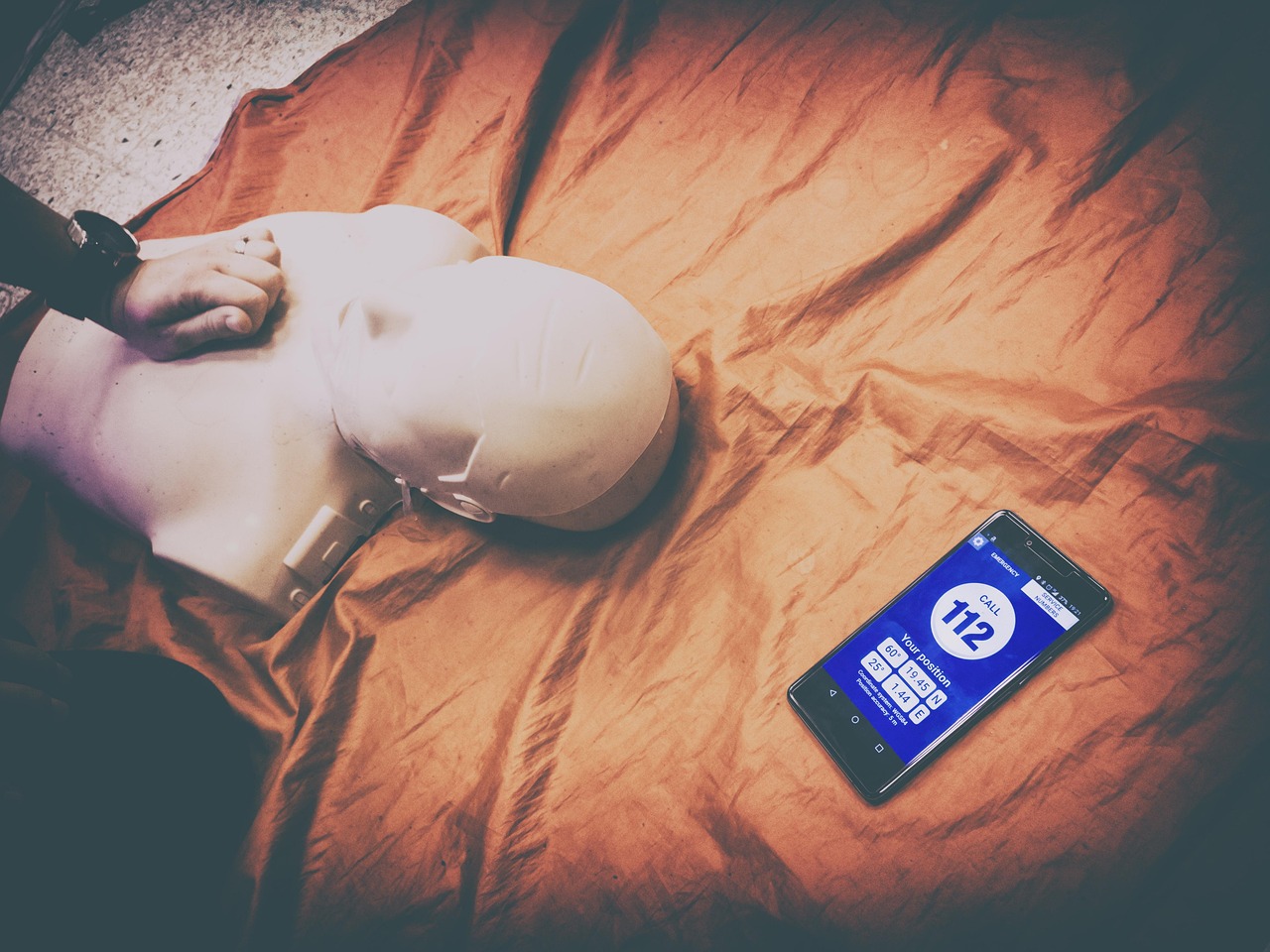
Morning typically starts with a short recap of the online components you are anticipated to have finished, complied with by prompt practice of CPR for infants and kids. Individuals cycle with compressions, rescue breaths, and AED usage, swapping roles as rescuer, observer, and "moms and dad" to practice communication.
Late morning generally moves to choking and air passage emergencies, with duplicated technique on training torsos and kid sized manikins. Teachers build brief circumstances so you are not simply complying with a script: a kid in a highchair, a toddler on the floor, an older youngster standing and panicking.
After lunch, the emphasis commonly transfers to bleeding, fractures, and head injuries. You exercise wrapping, sustaining limbs, and doing a brief analysis to seek red flags. The pace is vigorous, but a good trainer will pause to highlight subtle points, like looking for unequal pupils or observing a child's behavior over time.
Later in the afternoon, burns, allergies, bronchial asthma, and seizures are typically covered. Right here, the focus rests on recognition and instant first aid, plus quality about when to escalate and how to connect with emergency services and parents.
The day normally ends with scenario analyses. Tiny groups are given a simulated child care emergency situation and need to react as if it were real, then debrief with the teacher. This is where the training comes active. People realise what they bear in mind, what they neglect, and just how they react emotionally.
For those who choose not to invest a full day on website, some training centres offer express first aid and cpr courses where you total, as an example, 3 to 4 hours of on-line pre learning, after that participate in a half day of extensive sensible training. The total discovering time stays comparable to a traditional course, but the "away from work" time is shorter.
Choosing the ideal express first aid course or provider
Not every fast first aid course labeled as "express" is suitable for child care. When you compare express first aid courses, make use of a straightforward list to stay focused on what matters.
Check accreditation. Is the course acknowledged by a trustworthy national body or straightened with regional childcare regulations? If your function needs a particular paediatric or childcare first aid certificate, validate that this express version qualifies.

Examine the content synopsis. Look specifically for "infant and kid CPR", choking, anaphylaxis, asthma, burns, head injuries, and seizures. If a course asserts to be for childcare however hardly mentions these, deal with that as a caution sign.
Ask about method time. The amount of hours are invested doing hands-on cpr training, choking drills, and scenarios? A fast first aid training session that is mostly lecture will not build reliable skills.
Look right into instructor history. Trainers with experience in emergency situation treatment or genuine childcare settings normally bring more clear, much more useful teaching. It deserves asking.
Understand renewal and refresher alternatives. Excellent carriers supply fast cpr refresher course options and brief express cpr training updates, that make it very easy to keep current.
If you are looking online for a "fast first aid course near me", do pass by totally on cost or the quickest marketed duration. Those are appealing shortcuts that can leave you underprepared when it matters.
Keeping abilities alive after your first aid certificate
A first aid certificate confirms that you met a standard on a particular day. It does not assure you will remember every action a year later on, especially if you never ever use the abilities in real life.
From years of watching just how people maintain first aid and CPR, 3 routines make a noticeable difference.
Regular micro refreshers aid. Numerous training carriers currently run short, focused sessions such as express cpr courses or 1 to 2 hour fast cpr correspondence course options. Even going to one fast technique every 6 to twelve month can keep your muscular tissue memory sharp.
Scenario discussions at work are underrated. In child care groups, take 10 mins during a personnel meeting to go through a "what if" case: a youngster collapses on the playground, an infant quits breathing throughout a nap check, or a severe allergy during snack time. Discuss that does what, where tools is stored, and just how you would call for help. This kind of practice session, even without manikins, cements your first aid training in a real context.
Personal reflection after actual occurrences is awkward however effective. Whenever you take care of an injury or illness, ask on your own after that: What worked out? What felt complex? Did we postpone any kind of decisions? Utilize those response to guide your selection of next express first aid training or first aid and cpr training classes.
Fitting first aid into active child care environments
Everyone in childcare is under source stress. Ratios are tight, paperwork is heavy, and parents expect quick actions. That fact is what makes express child care first aid courses so valuable, however it also introduces functional constraints.
Managers often ask if they can send out only a handful of personnel for first aid and cpr courses. Governing bodies generally need specific minimum coverage, for example at least one accordingly trained person on website in all times, or one on each floor or room. Past the lawful minimum, genuine strength comes when a number of individuals are positive. Throughout a dilemma you seldom want just one person capable of CPR.
In onsite first aid classes technique, several centres rotate staff through fast first aid courses in little teams, incorporating them with express first aid training updates in later years. This spreads price and lack while slowly building a completely trained team.
For home based carers or moms and dads, the barrier is commonly childcare itself. Some companies supply evening or weekend express cpr training sessions, or permit babies to go to with a second carer. It is worth asking. I have run several tiny group sessions in living areas for a couple of households with each other, which gets rid of the childcare issue entirely.
When a brief course is not enough
There are conditions where a really fast first aid course just is not appropriate on its own.
If you are the designated very first aider in a big childcare centre, you might require a full length paediatric first aid course in addition to any express refreshers. Governing structures occasionally specify minimal course hours or material obstructs that express styles should still meet.
If you deal with children who have complicated medical requirements, such as tracheostomies, ventilators, or serious epilepsy, you will certainly additionally call for professional training beyond basic first aid and cpr. Express first aid courses provide the foundation, yet they can not cover every advanced skill securely in a short window.
Some service providers provide modular discovering in these situations: a solid express child care first aid course as the base, followed by short add for details problems pertinent to your setup. That framework makes better use everybody's time while still valuing the intricacy of the care.
The real value of express child care initial aid
When people speak about first aid training, they typically focus on certificates, conformity, or course size. In childcare, the actual value rests somewhere more human.
It is the teacher who can kneel next to a choking youngster, remember the steps, and act before panic takes control of. It is the parent that understands just how to start CPR while an additional calls an ambulance. It is the sporting activities train that finds that a fall is more than "simply a bump" and insists on clinical review.
A well developed express childcare first aid course does not throw away words. It focuses your focus on those essential couple of actions that shield a youngster's brain, respiratory tract, breathing, and circulation in the first minutes. It removes made complex lingo so you can remember what to do when your hands are shaking.
Fast first aid training does not make emergencies less frightening. It makes you valuable inside the worry. And for a child in problem, that can suggest everything.